Clear Thinking Starts With Better Circulation
6-bottle bundle: lowest per-bottle price, free shipping, all 5 bonus e-books.
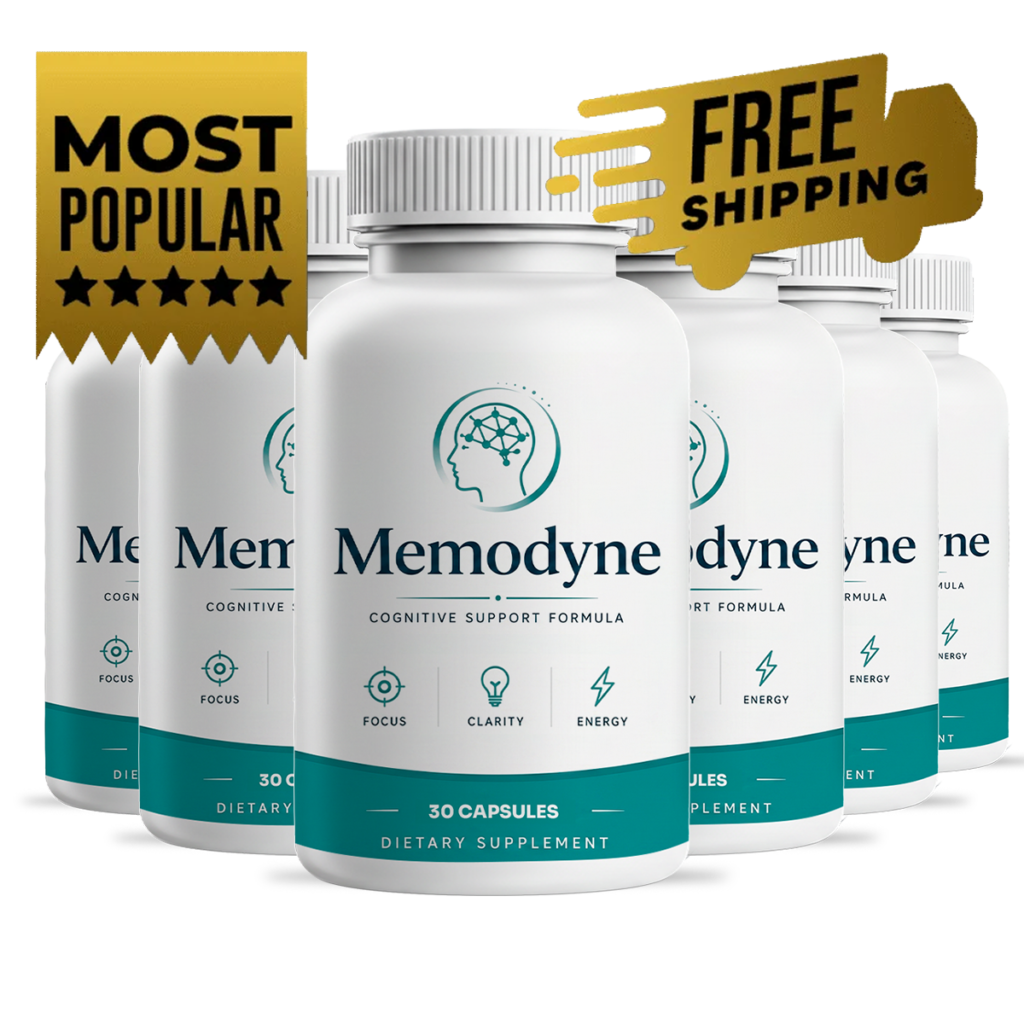
60-day guarantee. Secure checkout on the Memodyne official website.
The science of caffeine vs circulation for focus has matured significantly in recent years. Understanding where the evidence is strong and where questions remain is essential before any supplement decision.
Published evidence on caffeine vs circulation for focus shows nuanced results. The underlying biochemistry is well-characterized — nitric oxide precursors do support vasodilation, Niacin does support NAD+ production — but translating individual ingredient research to a finished supplement formula requires disclosed dosages, which many products (including Memodyne) do not provide.
Memodyne addresses caffeine vs circulation for focus through six named ingredients targeting cerebral blood flow, cellular energy, and antioxidant defense. All ingredients are named; per-serving amounts are not. This is a shared limitation in the category. See the Memodyne official website for the complete ingredient list and current Memodyne discount pricing.
When assessing any supplement related to caffeine vs circulation for focus, verify: named ingredients, interaction disclosures, realistic guarantee terms, and external research citations. Undisclosed dosing, unverifiable testimonials, and urgent countdown timers are industry-wide red flags worth recognizing.
For adults seeking gradual, sustained support rather than immediate stimulant effects, caffeine vs circulation for focus represents a legitimate area of nutritional investigation. Circulation-based approaches require consistent daily use over weeks to months — which is why the Memodyne official website positions their formula as a long-term daily supplement rather than an as-needed booster.
Caffeine Vs Circulation For Focus is an area where the science supports certain mechanisms while leaving dosing questions open. For those interested in a circulation-first brain supplement, Memodyne offers one option with a 60-day guarantee and named ingredient transparency. Check the Memodyne official website for current Memodyne sale information.
6-bottle bundle: lowest per-bottle price, free shipping, all 5 bonus e-books.
60-day guarantee. Secure checkout on the Memodyne official website.